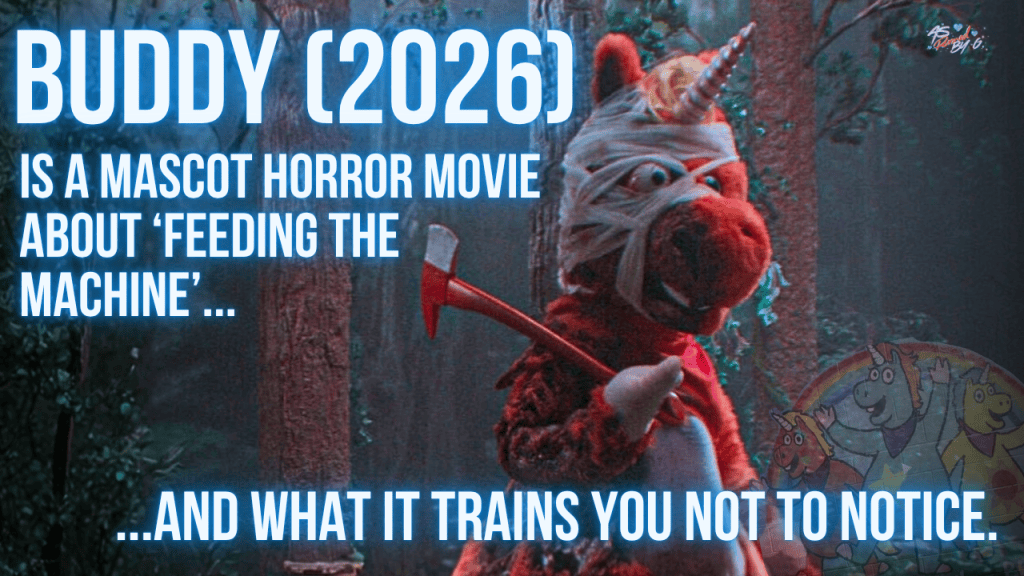
“Wade, you know that’s a lie,” said Buddy The Unicorn. that line stole the internet show, via memes, after seeing Casper Kelly’s “Buddy.”
i went to see this film on a whim one day after work. i went to an unfamiliar theater, and thought it would be pretty cool to check out this fun horror movie. and, of course, my notes app hated to see me coming.
this 95-minute film is pretty fun and sits perfectly into the comedic horror genre. it has a bloody pee-wee’s playhouse, barney-esque vibe to it.
“Buddy” is a film that’s reminiscent of the educational, talking-puppet shows we’ve all grown up on. definitely that 90s or early 2000s pbs vibe, “for viewers like you” typeshit.
so, Buddy is an orange unicorn that is the star of his own self-titled, kids’ show. he has random adventures with the kids that star alongside him. these kids are seemingly like the core characters that people may grow to love or expect to be regulars.
they all sing and dance as they may learn about cleaning safety or friendship. and buddy is basically always there to ensure the show keeps going on and the episodes continue.
the credits must roll so they, especially buddy, move on to the next songs, adventures, etc…no questions, no concern, no awareness.
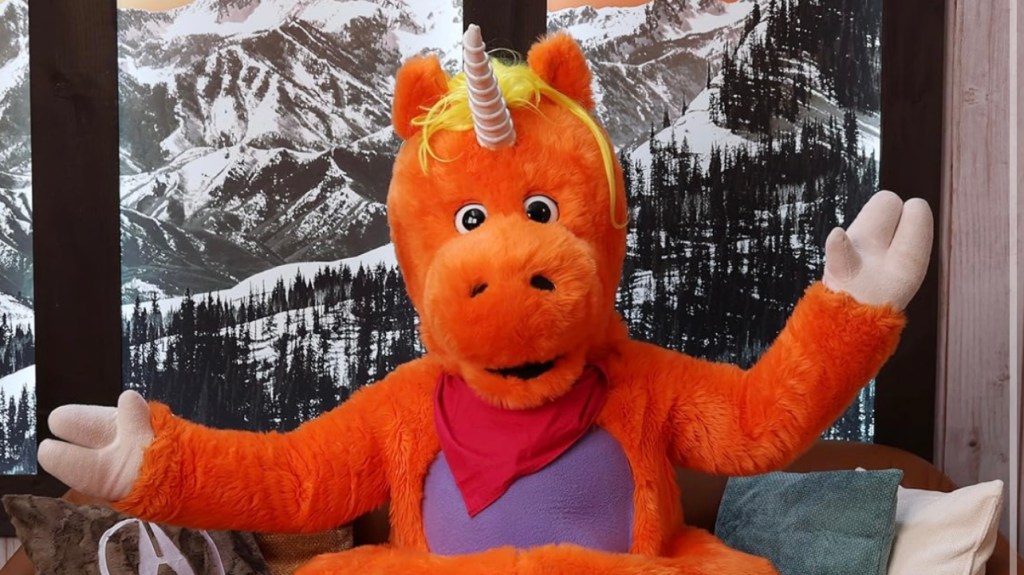
that becomes the problem that folks aren’t talking about when it comes to this film.
WHAT WORKS FOR ME.
i came across a name for this brand of scary movie—mascot horror. there’s been several films over the years that have a loveable character at the forefront that turns out to be something more sinister.
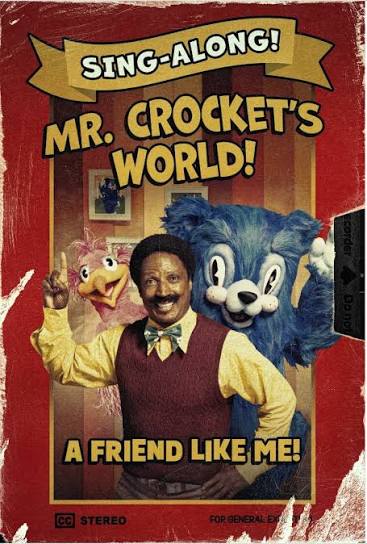
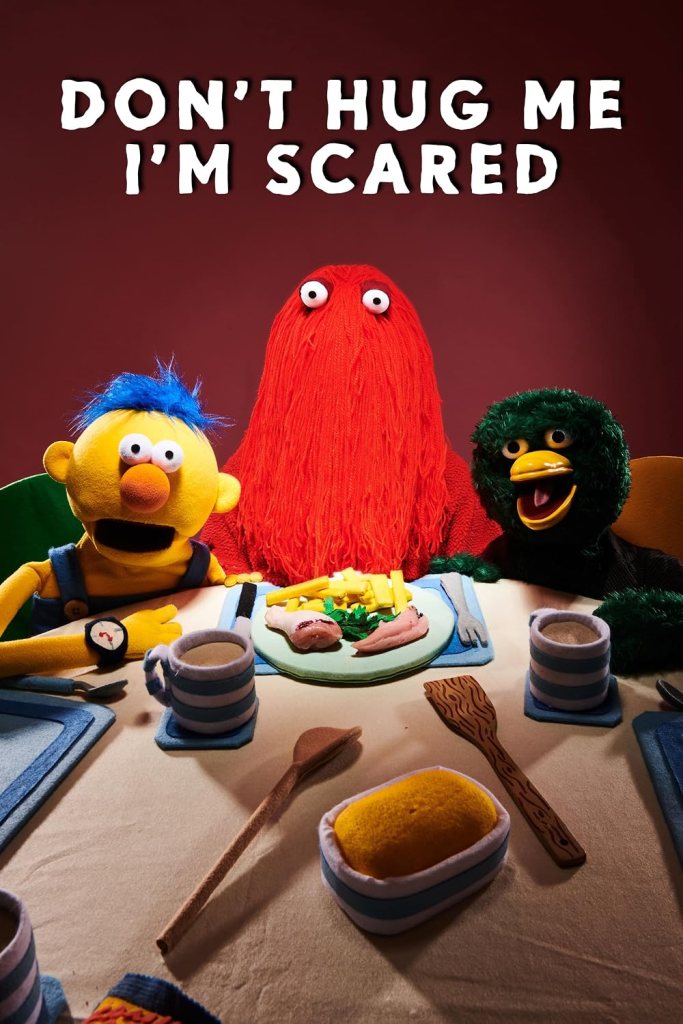
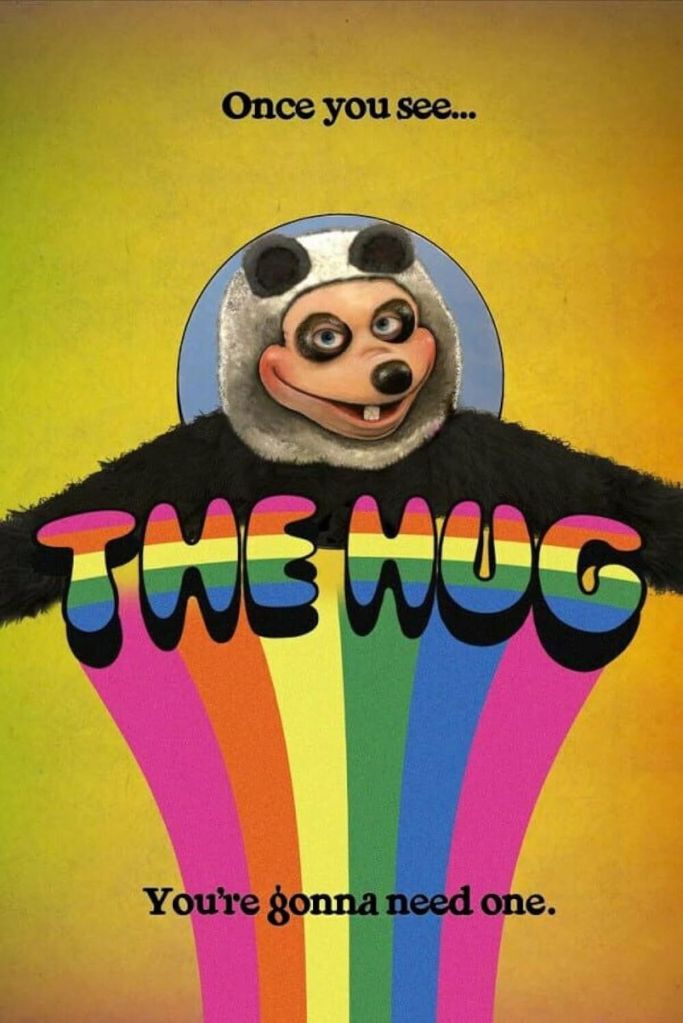
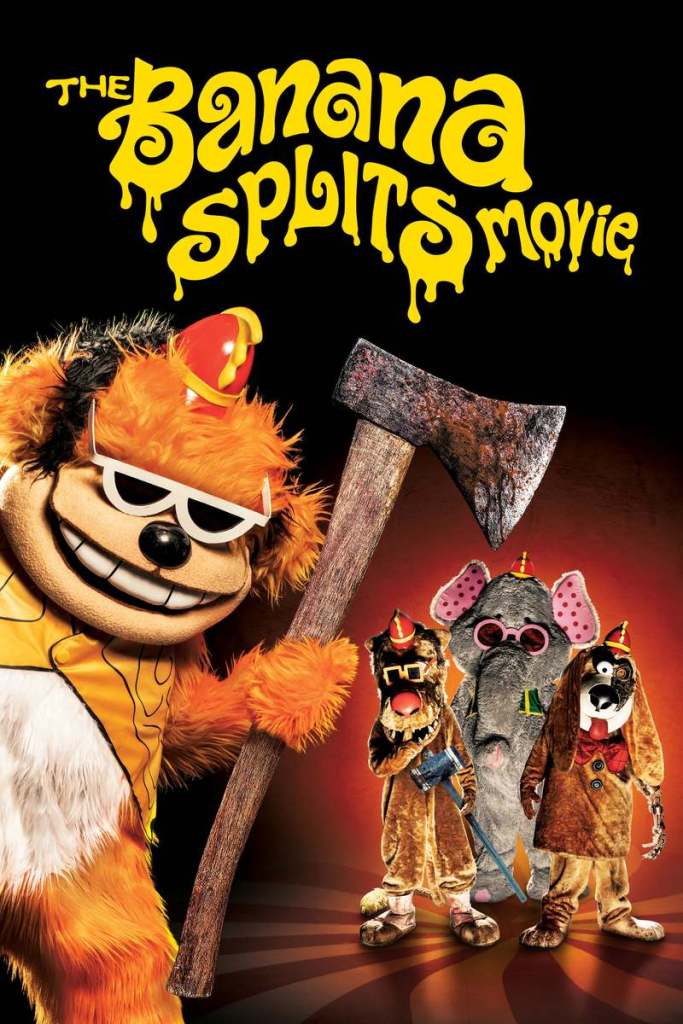
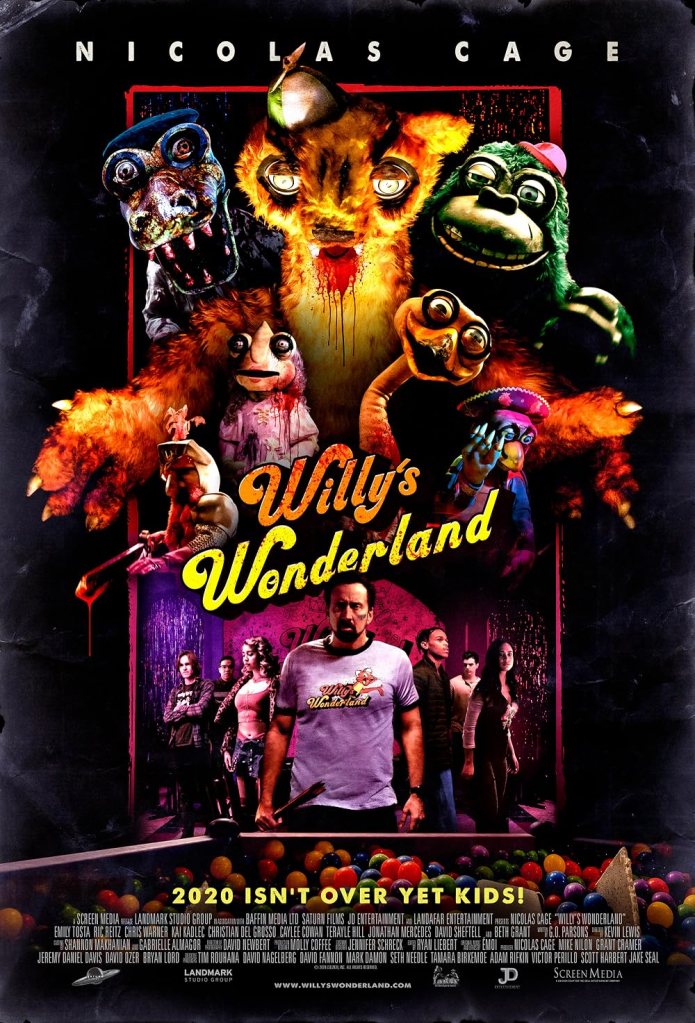
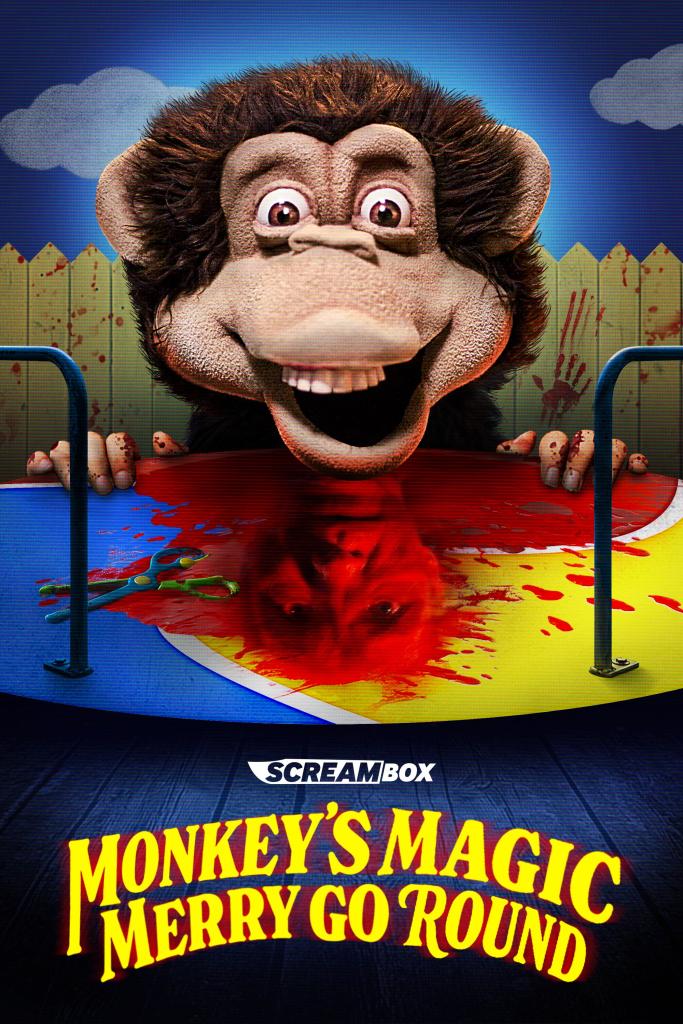
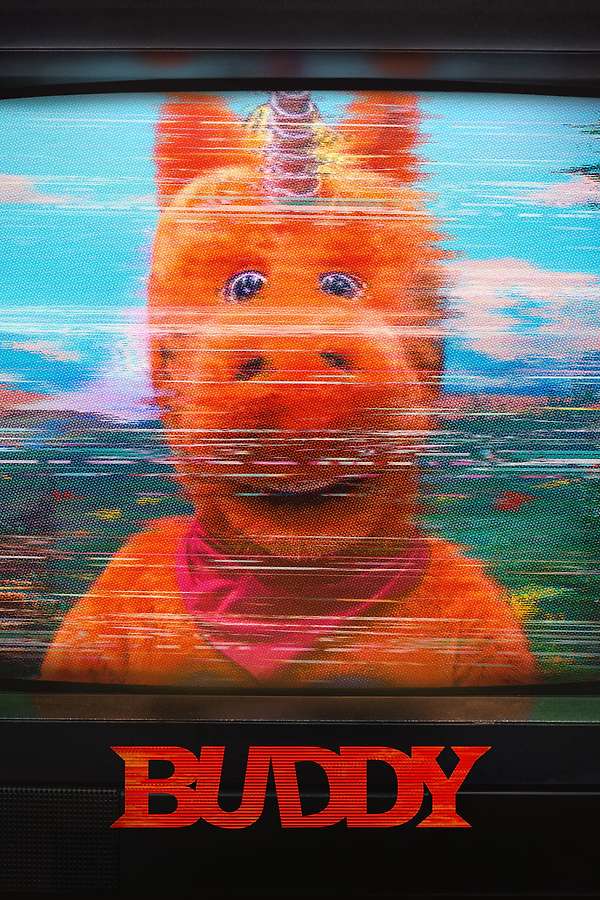
“Buddy” falls right into that, which i enjoy.
there’s also how the movie plays with reality through the props and the show-within-a-movie sequencing.
it’s set up like a program, as if you were binge watching the show on a saturday morning. it shifts dimensions in more ways than one. it goes from Buddy’s universe in this older box tv dimension, to this limbo-esque feel when characters escape the main show set, to the real world.
i like how those changes are functioning through color and the actual screen dimensions, ranging from square to standard widescreen to cinematic widescreen.
it’s funny because the film opens with one of the kids reading “A Wrinkle In Reality,” which some critics say is a play on Madeleine L’engle’s “A Wrinkle In Time.”
as the movie progressed, the kids lose the delusion of buddy and his reality that they’re stuck in. buddy, however, has to maintain the facade in order to continue the show and his life that seemingly fuels this show.
and some of his kills were okay. based on my notes, he had just under ten-ish kills and i preferred the ones toward the end of the film.
anywhos…
WHAT I REALIZED.
i think something that’s classic in horror that works well for this film is the adult ineptness. the adult characters onset are seemingly unaware of the underlying issues Buddy has. they absentmindedly play their roles and feed Buddy’s ego.
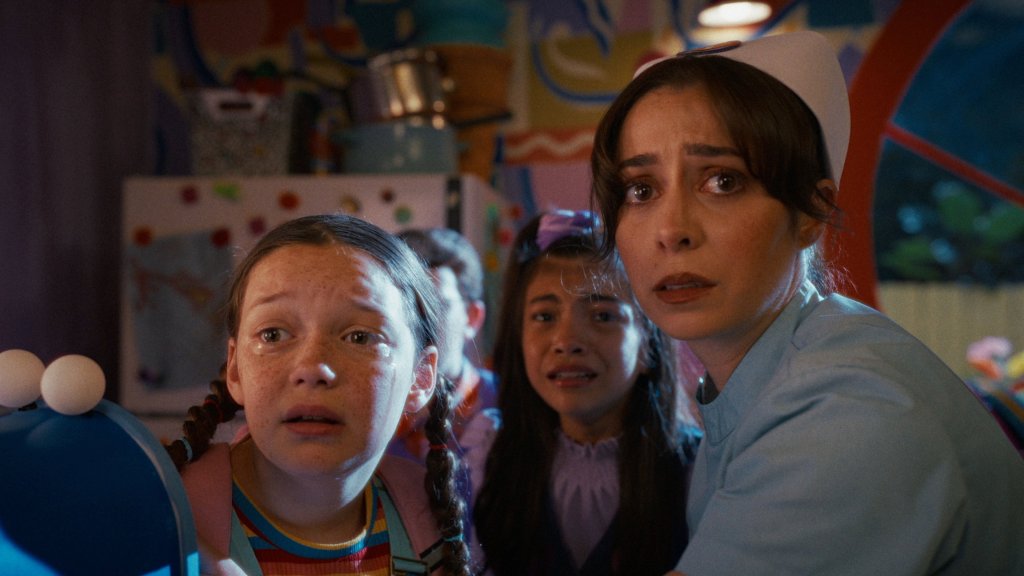
the parents that we do see are inept but not by their own doing. we see this with the main character, Freddy, and her mom, Grace.
because of the mechanism that buddy and his show function as, Freddy is immediately forgotten as she’s “cast,” or sucked into the tv.
it wasn’t really clear how long Freddy had been a returning character on the show. no one really remembers her, but Grace’s behavior always showed that she had some lingering memory of a third child.
and that’s what i think this film does. it creates a unique place to call out how innocent shows can subliminally teach you the horror of “feeding the machine.” buddy is meant to be the caring, huggable guy but he’s more than that.
when things don’t go according to program, Buddy becomes egotistical and violent. he kills when things don’t go his way or function outside his version of normal.
he becomes a monster (a literal one at one point), but he’s not one that just kills to end things, he’s how the show mechanism continues to feed—by reeling in kids enjoying too much screentime.
Buddy kills several people, opening the door for them to be simply replaced. and as she followed the tracks of her daughter, Grace becomes part of the machine.
this happens because buddy killed the initial nurse character, Nurse Nancy, as she was getting the vibe shit wasn’t right onset. Grace is later sucked in, becoming the nurse following Buddy’s crash out.
but the others onset weren’t supposed to notice as the “cameras” roll. the same goes for a couple of the initial kid stars and the mailman character who were killed. they, in essence, were removed and replaced outright—consumed.
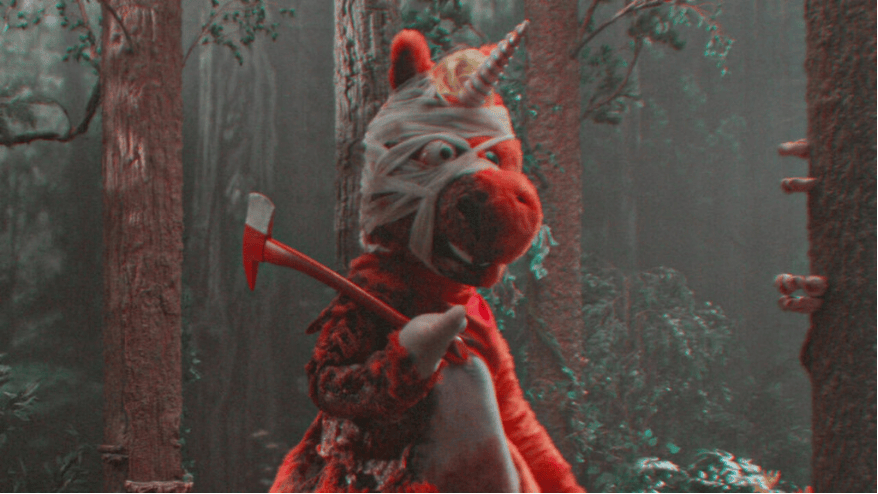
the film doesn’t go without recognizing what Buddy wants for himself within this idea of “feeding the machine.” there’s times where he even breaks and tries to make a sexual advance at Grace once she’s “cast.”
he also has several moments of ego-tripping, wanting everyone to love him or pay him attention. anything that seemed to challenge his authority was some level of triggering for him—it’s giving toxic masculinity forreal.
i also think that there could be something said about the main Black kid character, Wade, was killed off a little early in the storyline. i believe it added depth to replacing characters and expecting watchers not to notice.
one real-world example that i think about is when Aunt Viv was recast in “The Fresh Prince of Bel-Air.” and i’m sure that sesame street has had plenty of “meals” as it’s still making episodes in 2026.
at the end of the day, Buddy’s character is just a position that needs to be filled. his show is the machine that needs people–bodies to keep broadcasting, recruiting them or scrapping them when they can’t get with the program (lol pun? double entendre?)
so those ten or so people who died? that was just part of show biz when it comes to nostalgic media, consuming and replacing folks.
so, Buddy is more than a mascot-horror reality bender or coming-of-age style story. it’s what happens when you “feed the machine” and train people not to notice.
spoiler: Freddy kills Buddy, thus killing the mechanism’s power source…supposedly.
FINAL THOUGHTS.
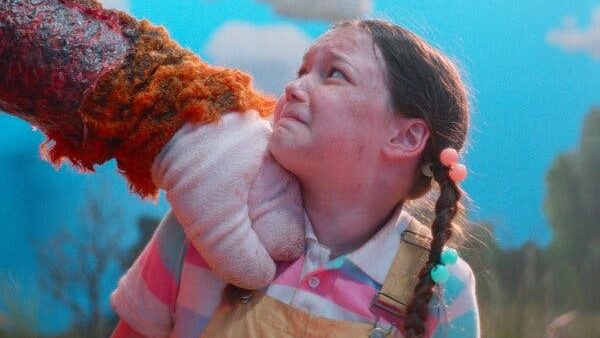
i liked this one. “Buddy” (2026) was pretty fun.
there were some kills that i enjoyed purely for the gore. i thoroughly enjoyed the puppetry and animatronics that came with this film. i respect the artistry behind what goes into that level of creativity.
i really found myself somewhat escaping into this set because of how fantastical things seemed. i was also slightly melancholy at the end when the animated objects “died” once Freddy made her way back into the real world.
my rating is 9.1.
i am wondering what happens to both Freddy and Buddy though!?
does her dad regain his memory of her now that she’s found a way to beat the machine? has Buddy killed off other mascot co-stars? is he really dead? what was that one unicorn doing in the back?


Leave a comment